










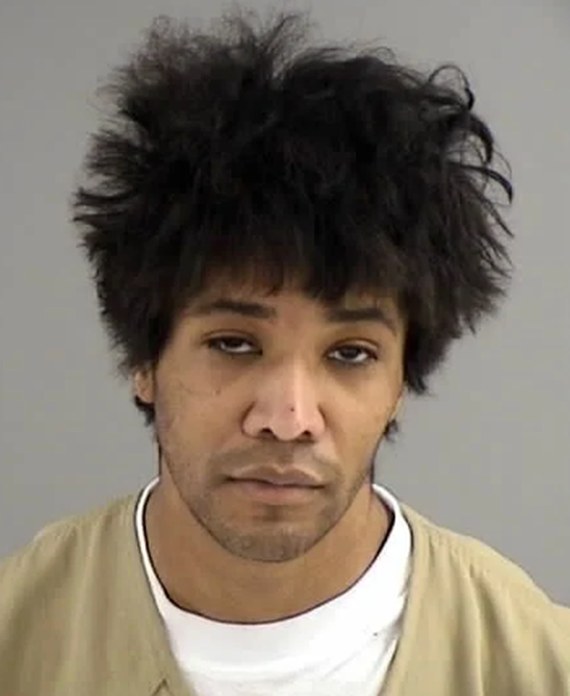
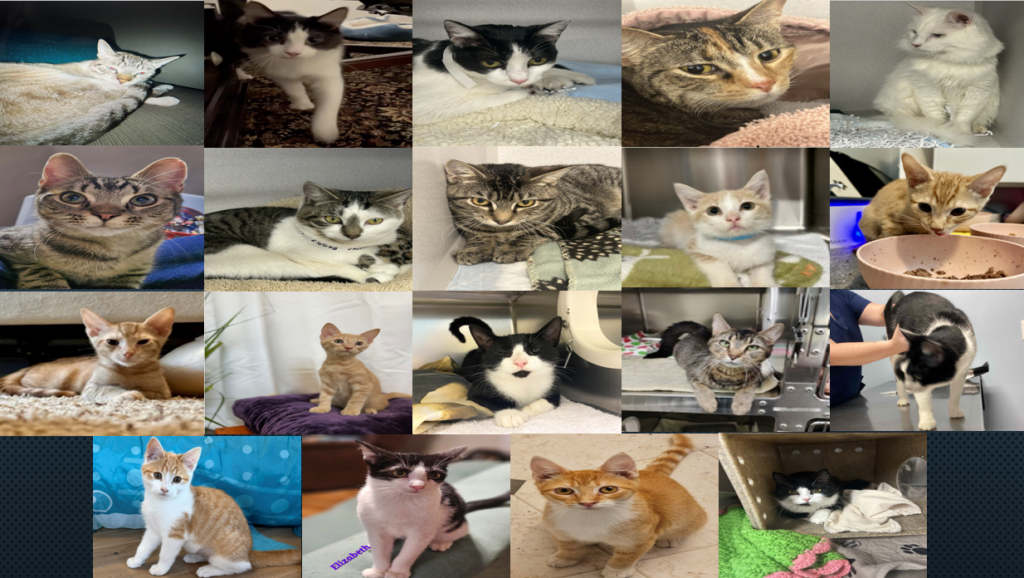
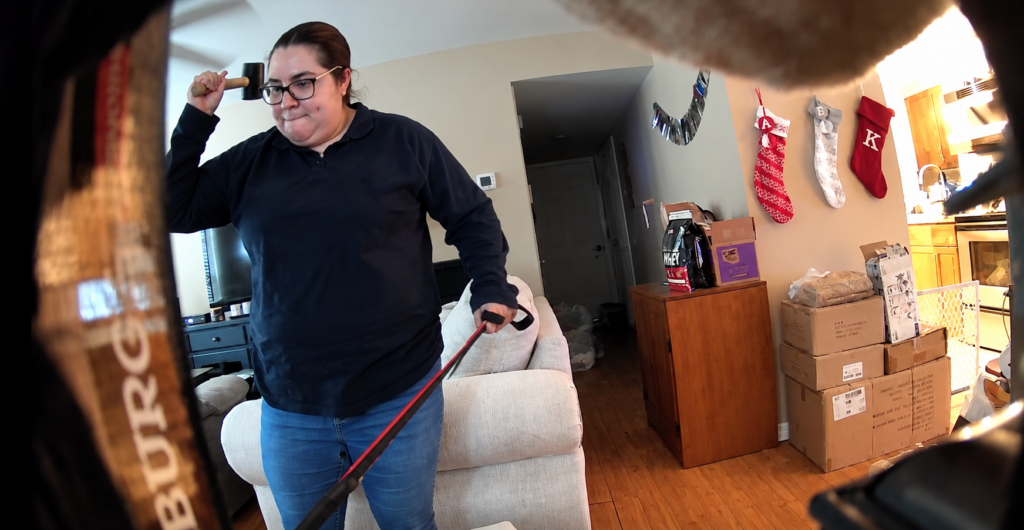
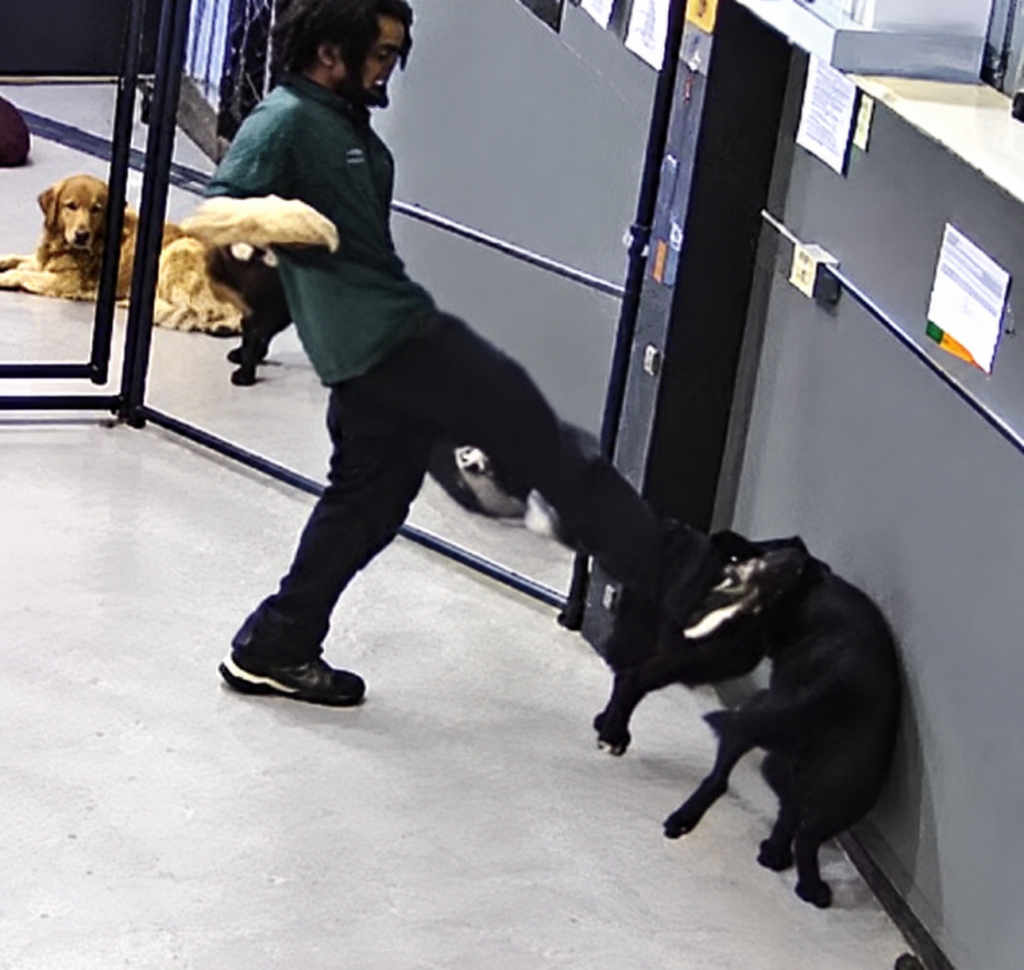


⚠ CONTENT ADVISORY: Contains graphic animal abuse content. Some images are AI-generated. Viewer discretion is advised. Nonpartisan. Animal welfare only.

PODCAST@THEANIMALCOURT.ORG

800-634-3439

OUR MISSION

Exposing How The System Fails Dogs & Cats.

The cases you were never meant to see — and the justice they deserve.

The Animal Court is a non-political, non-profit podcast dedicated to exposing the hidden world of animal abuse. We investigate the cases that fall through the cracks — the abusers who hide behind closed doors, the systems that fail to protect animals, and the advocates working tirelessly to change the law.

Every episode is a case file. Every story is a call to action. Together, we can build a community that holds abusers accountable and demands a system that truly protects our most vulnerable animals.

"These conversations shouldn't be private. They need to be heard."

— THE ANIMAL COURT FOUNDERS

EP 001 · mAY, 2026 · 60 MIN

We're Here. Meet The Animal Court

Why We Started The Animal Court— The PACT Act, Animal Cruelty, and the Fight for Justice 

002

2026 · 40 MIN

The Roots Of Cruelty

Understanding Neglect, Intentional Abuse, Overpopulation, and Puppy Mills

003

2026 · 40 MIN

The Dogs of Skid Row-On The Streets of Los Angeles

Dogs drugged. Dogs abused. The city is hiding. The mayor is hiding. A federal complaint has been filed.

00

2026 · 60 MIN

We Smell Corruption: The Case of Ginger and the Officials Who Looked the Other Way

Three girls tortured a cat on Snapchat. One got a petty theft charge. Two got nothing.

00

2026 · 60 MIN

Domestic Abuse and Animal Abuse

When He Hurts Her, He Hurts the Pet Too

00

2026 · 60 MIN

When Rescues Go Wrong

The Rogue Shelters Nobody Wants to Talk About

00

2026 · 60 MIN

The Trusted Abuser

Vets, Trainers, Sitters, and Groomers — Betrayal of Trust

00

2026 · 60 MIN

AI and Animal Abuse

AI Is Writing Your Pet's Obituary Before It's Dead

00

2026 · 60 MIN

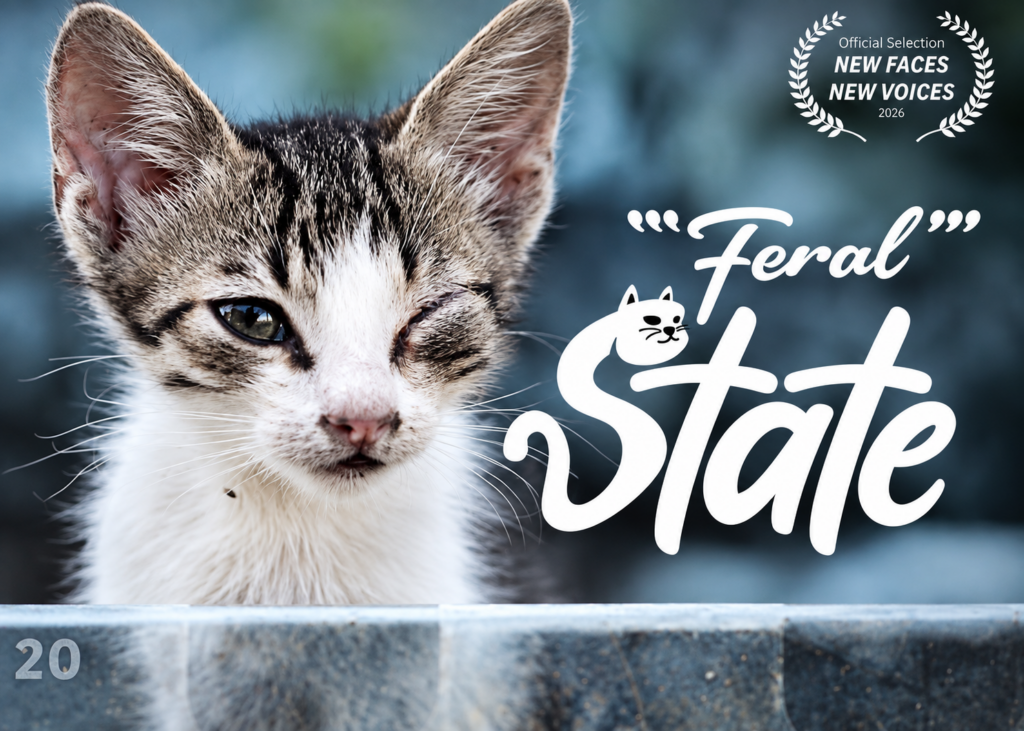
Feral Cats

Billions of Cats. No Plan. No Funding. No Excuse.

00

2026 · 60 MIN

Puppy Mills

Behind Every Pet Store Window Is a Mother Who Will Never See the Sun

0

2026 · 60 MIN

Animal Abuse Registry

Sex Offenders Have a Registry — So Why Don't Animal Abusers?

0

2026 · 60 MIN

The Dark Web of Animal Abuse

Think child sex trafficking, but for animals. And it's bigger than you think.

0

2026 · 60 MIN

Disasters and War

When Disaster Strikes, Pets Are Left Behind

0

2026 · 60 MIN

Unwanted Pets

You Can't Keep Your Pet. Now What? The Honest Guide.

0

2026 · 60 MIN

Do Petitions Work?

Case Studies in Public Outrage and Real Change

0

2026 · 60 MIN

The Hoarding Crisis

When Compassion Becomes Cruelty

0

2026 · 60 MIN

Changing the Laws

The Laws Written to Protect Animals Are Failing Them

0

2026 · 60 MIN

Animal Testing Labs

Behind Closed Doors — What They're Doing in the Name of Science

0

2026 · 60 MIN

Dogfighting

A Federal Crime Fueled by Greed, Drugs, and Blood Money

0

2026 · 60 MIN

TNR (Trap Nueter Release)

The Only Humane Solution — and Why Cities Are Still Fighting It

0

2026 · 60 MIN

Barking Dogs

Your Neighbor's Dog Is Screaming for Help — Are You Listening?

New episodes every Wednesday at 5:00 AM EST. Subscribe to never miss a case.

OUR IMPACT

Animal Victory

The Numbers Behind the Fight
Petitions Created
0 +
Million Signatures Collected
0 +
VICTORIES WON
0
STATES COVERED
0

ABUSE TYPES INVESTIGATED

Distribution of case types across our investigations (%)

Neglect
59.3%
Physical Abuse
41%
Abandonment
16.4%
Hoarding
7.4%
Illegal Trade
5.8%
Other
11.9%

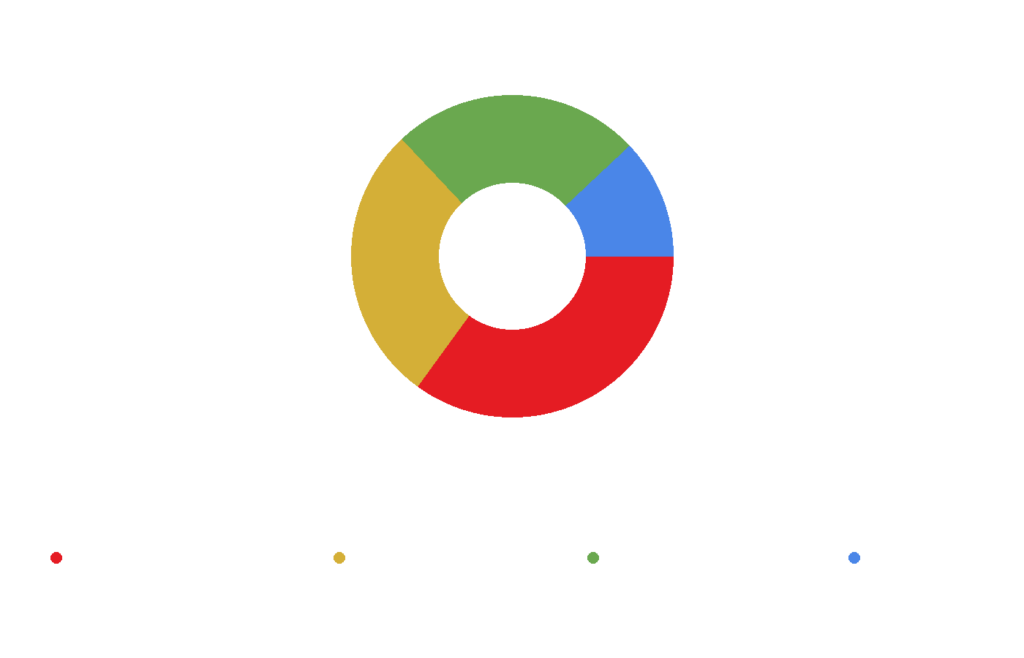
Sentencing Outcomes

How the justice system responds to animal abuse cases (%)

Average 18,000–20,000 signatures per petition

OUR IMPACT

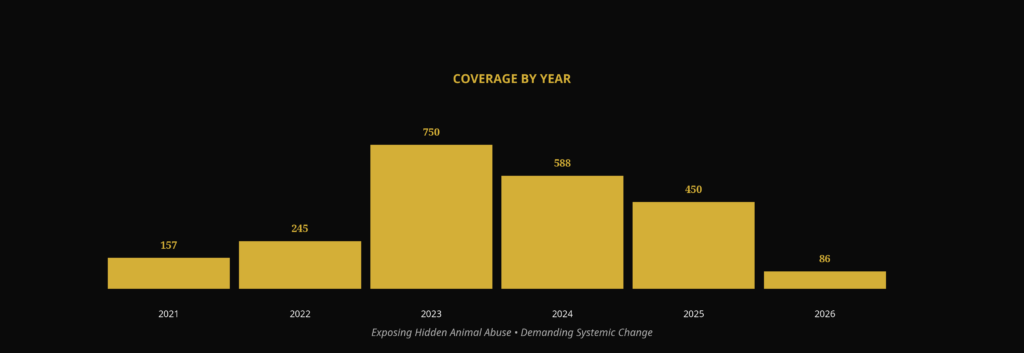
National Animal News Coverage

National Animal News is a mission-driven digital media platform focused on reporting animal cruelty cases, rescues, legal proceedings, and advocacy efforts. Content is published to inform the public, encourage civic engagement, and support animal protection initiatives. National Animal News is published and operated by Animal Victory.

National Animal News Coverage

Stories Published & Tracked
STORIES PUBLISHED
0

BY ANIMAL TYPE

DOG STORIES
0

(45.9%)

CAT STORIES
0

(16.3%)

OTHER STORIES
0

(37.9%)

HOST INVESTIGATIONS

The Real Paul Mueller

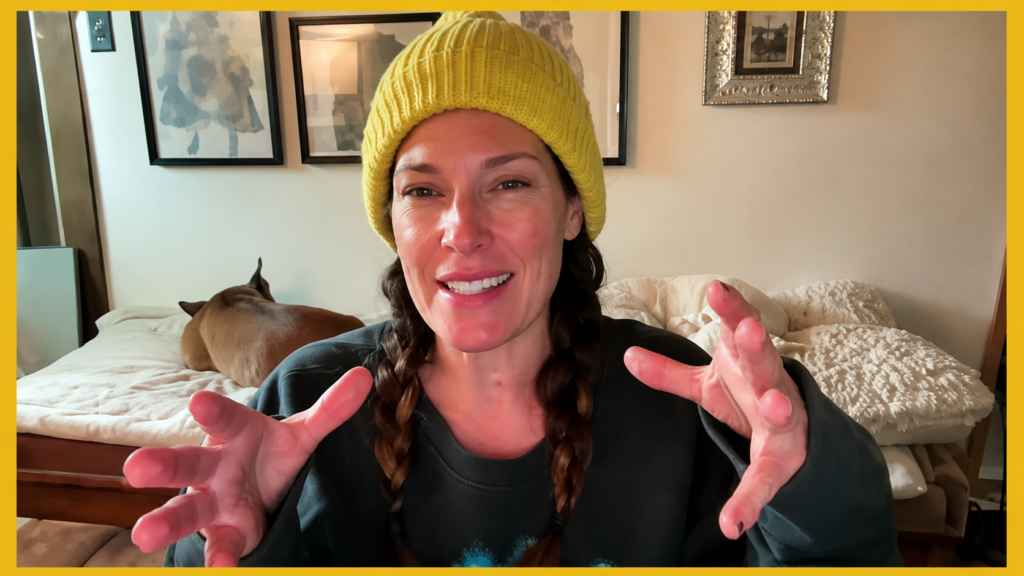
Paul Mueller is the host and lead investigator of The Animal Court Podcast and a key partner of Animal Victory. With 30 years of journalism experience, Paul uses his platform to uncover hidden animal abuse cases, expose systemic failures, and drive real change through investigative reporting.

THE REAL PAUL MUELLER

Real Animals. Real News. Real Change.
INVESTIGATIONS PUBLISHED
0

BY ANIMAL TYPE

DOG
0
CAT
0
HORSE
0
OTHER
0

Paul Mueller

PODCAST HOST & PRODUCER

As a seasoned journalist with 30 years of experience, Paul has shifted his focus to animal advocacy. Using his social media platform, Real Animals. Real News. Real Change, he highlights animal abuse cases and exposes systemic failures, raising awareness and driving action to protect our most vulnerable friends.

Janelle Babington

PODCAST CO-HOST-EXECUTIVE PRODUCER (AND DOES EVERYTHING ELSE.)

Janelle Babington, CEO of Animal Victory (established 2019), uses her platform to petition for investigations and strict punishments for alleged animal abusers. She is also the founder and executive director of Animal Victory Disaster And Abuse Fund—a non-profit helping animals in crisis and disasters.

MEET THE HOSTS

Animal Victory Disaster & Abuse Fund

Without this fund, The Animal Court Podcast could not exist.

The Animal Victory Disaster & Abuse Fund (AVDAF) is a registered 501(c)(3) non-profit organization dedicated to assisting animals impacted by natural disasters, war, or other crises. The overall program of the AV Disaster & Abuse Fund is comprised of 6 projects: Emergency Disaster Relief, Animal Abuse Registry (PASS), The Animal Court Podcast, Begging For Help, Home Street Home, and Petitions (Affiliate). All donations are tax-deductible as allowed by law. EIN# 88-3617975. In 2025 alone, AVDAF provided direct assistance to approximately 2,416 animals.

01

EMERGENCY DISASTER RELIEF

A lifeline for animals caught in the chaos of natural disasters and war zones. Recent responses include the California Wildfires and Hurricane Helene.

02

ANIMAL ABUSE REGISTRY (PASS)

Helping shelters identify and stop repeat animal abusers. Built by North Shore Animal League America.

03

THE ANIMAL COURT PODCAST

Exposing hidden animal abuse, investigating cases that fall through the cracks, and demanding accountability from a failing system. New episodes every Wednesday at 6:00 PM EST.

04

BEGGING FOR HELP

Providing vital financial assistance for low-cost spay and neuter services, primarily aimed at smaller groups and individuals across the United States.

05

HOME STREET HOME

Serving dogs and cats belonging to individuals experiencing homelessness. Providing food, supplies, and veterinary care for these pets.

06

PETITIONS (AFFILIATE)

Animal Victory Petitions is our for-profit affiliate — a compassionate advocacy group fighting animal abusers through petitions and public pressure.

6000+

ANIMALS HELPED

501(c)(3)

TAX-EXEMPT STATUS

6

ACTIVE PROJECTS

AVDAF shares resources with its affiliate Animal Victory — a compassionate advocacy group fighting animal abusers through petitions.

This is why we need sponsors. Every dollar helps us continue this critical work for animals.

For Potential Sponsors

The Animal Court reaches over 300,000 engaged animal advocates through the Animal Victory mailing list, plus 200,000+ followers on Paul Mueller’s platform, where it is not unusual for a single post to reach close to 1 million people. For this year, we will produce this work entirely without compensation, and it still costs a minimum of $8,000 a month to run, not including our startup costs. Sponsorship is what keeps us going. We only partner with brands that align with our mission, and we plan to have room for six carefully selected partners. If you believe in what we do and want to put your brand in front of one of the most passionate animal welfare audiences in the country, we want to hear from you. AnimalCourt_Sponsorship_Package –

FREQUENTLY ASKED

About The Animal Court

For more than 30 years combined, Paul Mueller and I have been fighting animal abuse in our own ways. Today, Paul is out front telling powerful stories on camera to raise awareness, while I’m behind the scenes managing petitions, organizing outreach, and pushing toward one shared goal: to hold animal abusers accountable.

Over the past year, Paul and I have stayed closely connected as we sort through the overwhelming number of cruelty cases that come our way. Sometimes it feels like too much. We’ve asked ourselves over and over:

What do we do with all this information?
How do we decide what to focus on first?
How do we fight a system where animals don’t legally have rights?
And how do we make sure people truly understand what’s happening?

Then one day, during a quiet moment on one of our calls, it became clear:
These conversations shouldn’t be private. They need to be heard.

That’s when The Animal Court Podcast was born.

We decided to combine our voices, share real stories from the field, talk openly about the barriers and failures we see, and connect our audiences so more people can learn, get involved, and help create real change. Together, we’ve created more than 342 petitions and produced hundreds of videos, witnessing firsthand the real impact that awareness and public pressure can have. 

But here’s the truth:

In addition to the very large organizations, you know who they are, HSUS, ASPCA, etc.,there are so many more incredible people out there fighting animal abuse: rescuers, advocates, volunteers, investigators, and everyday citizens who care deeply and can make a real difference for animals, but don’t have support, a platform, or a network behind them.

We want to change that.

We fight for justice for dogs and cats, our closest companions.

Through our campaigns and podcast, we bring people together, amplify voices that are rarely heard, and expose the cruelty and the system that is failing animals — and what we can all do to help.


Fighting The System For Our Closest Companions.
 
Through our campaigns and podcast, we bring people together, amplify voices that are rarely heard, and expose the cruelty and the system that is failing animals — and what we can all do to help; in addition to supporting the small rescues doing the hard work boots on the ground.

A world where animals are treated with kindness and respect — and where no credible rescue ever has to close its doors for lack of funding.

Our podcast focuses on dogs and cats, as they are the closest companions to humans and the most frequently reported abused animals—in that order.

In 2024, an estimated 89.7 million dogs and 73.8 million cats live in households across the United States, according to data from the American Veterinary Medical Association (AVMA).

  • Dog Ownership:

    • Total Dogs: ~89.7 million
    • Households with Dogs: ~59.8 million
    • Average Dogs per Household: 1.5
  • Cat Ownership:

    • Total Cats: ~73.8 million
    • Households with Cats: ~42.2 million
    • Average Cats per Household: 1.8

These figures highlight the importance of our mission to protect and advocate for these beloved animals.

 
Aside from animals not having rights, neglect from owners, overpopulation, and intentional abuse are the biggest reasons dogs and cats are abused.
 
According to Shelter Animals Count’s 2025 Annual Data Report, approximately 5.8 million dogs and cats entered U.S. shelters in 2025 alone. Beyond that, an estimated 70 million dogs and cats are currently living as strays or feral animals on the streets of America at any given time-that is the total population of homeless animals in this country right now, not a yearly number. The system is overwhelmed!
 

The 4 Major Categories of Animal Abuse (Dogs & Cats)

1️⃣ Neglect (the #1 reason)

Neglect is the most common form of cruelty. It includes the failure to provide basic needs such as:

  • food & water

  • shelter

  • veterinary care

  • grooming

  • safety

Most cruelty cases in the U.S. fall under passive abuse, where animals simply don’t receive the care required to survive.


2️⃣ Overpopulation & Unwanted Litters

This is one of the largest drivers of suffering for dogs and cats.

In the U.S., an estimated 70 million dogs and cats are homeless at any given time, yet only about 6–8 million enter shelters each year- meaning most never find help. Globally, stray and homeless dogs and cats may number in the hundreds of millions.

When animals are not spayed or neutered, litters pile up, and people become overwhelmed-leading to widespread neglect and abandonment.

Overpopulation causes:

  • abandonment

  • surrender to shelters

  • dumping

  • hoarding situations

  • unintentional neglect from overwhelmed owners

And the downstream consequences:

  • homeless animals struggling to survive

  • overcrowded shelters are drowning in intakes

  • higher euthanasia rates

  • preventable suffering on a massive scale

This category alone is responsible for millions of animal deaths every year.

There are simply too many dogs and cats and not enough homes.


3️⃣ Intentional Violence

Intentional or active abuse includes deliberately harming an animal.

It is often linked to:

  • power and control dynamics

  • domestic violence (pets harmed to punish family members)

  • psychological disorders

  • displaced aggression

  • organized cruelty, such as dogfighting

These cases involve direct acts of cruelty — beating, burning, torture, and killing — and often overlap with broader patterns of human violence.


4️⃣ Puppy Mills & Backyard Breeding

This category represents commercial exploitation, and it is one of the most chronic and pervasive cruelty problems.

These operations create:

  • lifelong confinement

  • severe neglect

  • untreated medical issues

  • psychological trauma

  • high mortality rates

Animals are bred for profit, not care, producing a constant supply of sick, unsocialized, and unwanted puppies, which further fuels the overpopulation crisis.


Read more about neglect below.

The Animal Court Podcast is more than conversation — it is a coordinated effort to expose cruelty, mobilize support, and drive meaningful action for animals in crisis. Powered by Animal Victory Disaster & Abuse Fund, this project turns awareness into accountability.

We accomplish our mission through a clear, impact-driven approach:

1️⃣ We listen directly to the people impacted.
We speak with survivors, rescuers, veterinarians, investigators, prosecutors, advocates, and community members across the country. Their firsthand experiences reveal how and why animals are being failed — and what must change.

2️⃣ We expose systemic problems.
By documenting patterns in laws, enforcement, neglect, and abuse, we help listeners understand the bigger picture. This isn’t just about isolated tragedies — it’s about a broken system that must be fixed.

3️⃣ We mobilize the public into action.
Listeners won’t just hear stories; they will know what they can do. We connect episodes to petitions, calls to action, reporting guidance, and opportunities to support rescues, investigations, and meaningful change.

4️⃣ We build community support and collaboration.
We work alongside advocacy organizations, legal professionals, shelters, and rescue groups. Together, we amplify efforts, share resources, and strengthen a national network of people fighting for animals.

5️⃣ We follow through — and keep the pressure on.
Stories don’t disappear after one episode. We provide updates, track progress, revisit cases, and hold responsible parties accountable. Continuous visibility prevents injustice from being forgotten.

6️⃣ We inspire courage, compassion, and empowerment.
Our goal is not only to inform — but to equip society with knowledge, tools, and confidence to speak up, report abuse, demand justice, and protect animals in their communities.

Through consistent storytelling, community engagement, and action-based advocacy, The Animal Court Podcast will help drive a culture where animal cruelty is addressed, prosecuted, and prevented — and where animals finally receive the protection and respect they deserve.

Aside from animals not having rights, neglect from owners, overpopulation, and intentional abuse are the most significant reasons dogs and cats are abused. In addition to Puppy Mills and Backyard Breeders.
 

The 4 Major Categories of Animal Abuse (Dogs & Cats)

1️⃣ Neglect (the #1 reason)

Neglect is the most common form of cruelty. It includes the failure to provide basic needs such as:

  • food & water

  • shelter

  • veterinary care

  • grooming

  • safety

Most cruelty cases in the U.S. fall under passive abuse, where animals simply don’t receive the care required to survive.


2️⃣ Overpopulation & Unwanted Litters

This is one of the largest drivers of suffering for dogs and cats.

In the U.S., an estimated 70 million dogs and cats are homeless at any given time, yet only about 6–8 million enter shelters each year — meaning most never find help. Globally, stray and homeless dogs and cats may number in the hundreds of millions.

When animals are not spayed or neutered, litters pile up, and people become overwhelmed, leading to widespread neglect and abandonment.

Overpopulation causes:

  • abandonment

  • surrender to shelters

  • dumping

  • hoarding situations

  • unintentional neglect from overwhelmed owners

And the downstream consequences:

  • homeless animals struggling to survive

  • overcrowded shelters are drowning in intakes

  • higher euthanasia rates

  • preventable suffering on a massive scale

This category alone is responsible for millions of animal deaths every year.

We need funded, high-volume spay/neuter cat/dog programs.

There are simply too many dogs and cats and not enough homes.


3️⃣ Intentional Violence

Intentional or active abuse includes deliberately harming an animal.

It is often linked to:

  • power and control dynamics

  • domestic violence (pets harmed to punish family members)

  • psychological disorders

  • displaced aggression

  • organized cruelty, such as dogfighting

These cases involve direct acts of cruelty — beating, burning, torture, and killing — and often overlap with broader patterns of human violence.


4️⃣ Puppy Mills & Backyard Breeding

This category represents commercial exploitation, and it is one of the most chronic and pervasive cruelty problems.

These operations create:

  • lifelong confinement

  • severe neglect

  • untreated medical issues

  • psychological trauma

  • high mortality rates

Animals are bred for profit, not care, producing a constant supply of sick, unsocialized, and unwanted puppies, which further fuels the overpopulation crisis.

Read more about neglect here.

“Why Animal Abusers Are Rarely Held Accountable — And What We Can Do About It” 1


  • Weak or inconsistent laws by state/jurisdiction. Animal cruelty statutes vary enormously. In some states or counties, certain acts of abuse are still classified as misdemeanors rather than felonies, which carry little to no mandatory jail time.
  • Animals are legally classified as property. Under the law in most jurisdictions, animals are considered personal property rather than sentient beings. This framing limits the severity of charges and reduces the weight courts assign to the harm done.
  • Prosecutorial discretion and low prioritization. Prosecutors often have heavy caseloads and may deprioritize animal cruelty cases in favor of crimes against people. Cases are frequently plea-bargained down to lesser charges or dropped entirely.
  • Difficulty proving intent. Many statutes require prosecutors to prove that the abuse was intentional or willful. Defendants often claim neglect was accidental, due to financial hardship, or a result of ignorance, making conviction harder.
  • Lack of physical evidence or witnesses. Animals cannot testify, and abuse often occurs in private settings. Without clear photographic evidence, veterinary records, or eyewitnesses, cases are difficult to build beyond a reasonable doubt.
  • First-time offender leniency. Judges frequently offer first-time offenders probation, fines, community service, or mandatory counseling instead of incarceration, particularly when the defendant has no prior criminal record.
  • Overburdened animal control and law enforcement. Many animal cruelty complaints are handled by underfunded animal control agencies that lack the authority, training, or resources to conduct thorough criminal investigations.
  • Judges and juries not viewing it as a serious crime. Cultural attitudes in some communities still minimize animal suffering. Judges and juries may not perceive animal cruelty as warranting the same punishment as crimes against humans, resulting in lighter sentences.
  • Plea deals that eliminate jail time. Defense attorneys routinely negotiate plea agreements where the defendant pleads guilty to a reduced charge in exchange for probation, fines, or a suspended sentence, avoiding incarceration altogether.
  • No mandatory minimum sentences. Unlike drug offenses or violent crimes against people, most animal cruelty convictions carry no mandatory minimum jail term, leaving sentencing entirely to judicial discretion, which varies widely.
  • Rehabilitation framed as the preferred outcome. Courts sometimes prioritize psychological counseling or anger management programs over punishment, particularly when the abuse is linked to mental health issues or domestic violence patterns.

15:02


“Why Animal Abusers Are Rarely Held Accountable — And What We Can Do About It”2


 All we can do is make sure the laws we already have are actually used.

  • Nobody reported it. If no one tells the police or animal control that an animal is being hurt, nothing can happen. Reporting abuse is the very first step.
  • It is hard to prove. Animals cannot talk or tell anyone what happened to them. Without photos, videos, or a witness, it is very hard to show a judge what really occurred.
  • Not enough people are watching. Animal control officers are often very busy and do not have enough help. That means some cases never get properly looked into.
  • The person said it was an accident. Abusers often tell the judge they did not mean to hurt the animal, or that they just did not have enough money to care for it. Sometimes the judge believes them.
  • It was their first time getting caught. Judges often go easy on people who have never been in trouble before, giving them a warning or a fine instead of sending them to jail.
  • The lawyer made a deal. Sometimes the abuser’s lawyer works out an agreement where the person pleads guilty to something smaller, and they get probation or community service instead of jail time.
  • The judge decided jail was not necessary. Judges get to choose the punishment, and some simply do not think animal cruelty is serious enough to send someone to prison, so they pick a lighter option.
  • The law in that place is not very strong. Some states and counties still treat animal cruelty as a minor offense with very small punishments. The rules are different depending on where you live.
  • Animals are treated like objects by the law. In most places, the law still sees animals the same way it sees a chair or a car, as something someone owns, not as a living creature that feels pain. That makes the punishment smaller.
  • The bottom line. The laws to punish animal abusers already exist. The problem is that they are not always reported, investigated, or enforced the way they should be. Every report made, every case pushed forward, and every person held accountable is how we make those laws actually work.
 

More Reasons Animal Abusers Are Not Held Accountable

Jails Are Full

  • Jails and prisons across the country are overcrowded, which puts pressure on judges to reserve incarceration for crimes considered the most urgent, and animal cruelty often does not make that cut.
  • When space is limited, prosecutors are more likely to offer plea deals that keep offenders out of jail entirely, simply because there is nowhere to put them.
  • Overcrowding leads to early releases for existing inmates, which sends a message that even those who do receive jail time may not serve it in full.
  • Judges are aware of the capacity problem and may feel their hands are tied, opting for probation, fines, or community service even when a jail sentence would be more appropriate.

Inexperienced Attorneys

  • Animal cruelty law is a niche area, and most public defenders and even many prosecutors have little to no training or experience handling these cases.
  • An inexperienced prosecutor may not know how to present veterinary evidence, establish a timeline of abuse, or argue the legal standard for willful cruelty, all of which are critical to winning a conviction.
  • Defense attorneys who specialize in negotiating plea deals can easily outmaneuver a prosecutor who is unfamiliar with the specific statutes involved.
  • Without attorneys who understand the emotional and evidentiary weight of these cases, animal cruelty charges are often treated as routine paperwork rather than serious criminal matters.

Lack of Evidence

  • Animals cannot describe what was done to them, who did it, or when it happened, which removes the most direct form of testimony available in most criminal cases.
  • Abuse frequently happens behind closed doors with no witnesses, leaving investigators with little more than the animal’s physical condition to work with.
  • By the time a report is made and an officer responds, visible injuries may have healed, animals may have been moved, or the scene may have been cleaned up.
  • Without proper documentation such as photographs, veterinary records, or prior complaint history, it becomes very difficult to prove abuse was intentional rather than accidental neglect.
  • Digital evidence like text messages or social media posts showing abuse exists in some cases but requires warrants and technical resources that many agencies do not have the capacity to pursue.

Lack of Funds for Courts and Jurisdictions

  • Many courts and local jurisdictions simply do not have the budget to dedicate time and resources to animal cruelty cases, which are often pushed to the bottom of an already overwhelmed docket.
  • Smaller jurisdictions may have only one or two judges handling every type of case, leaving little room to give animal cruelty the focused attention it deserves.
  • Court-ordered evaluations, expert witnesses, and veterinary forensic testimony all cost money that many jurisdictions cannot afford, weakening the prosecution’s ability to build a strong case.
  • When funding is tight, animal cruelty cases are among the first to be resolved quickly through plea deals or dismissals rather than taken to full trial.
  • Some jurisdictions lack a dedicated animal cruelty unit within law enforcement entirely, meaning cases are handled by general officers who may have no specialized knowledge of animal welfare law.
  • Without funding for proper record-keeping systems, prior abuse complaints against the same individual may go unconnected, allowing repeat offenders to appear as first-time cases each time they are caught.

The District Attorney Holds Enormous Power


The District Attorney (DA), also called the prosecuting attorney, has what is known as prosecutorial discretion, which means they have the legal authority to decide whether to file charges at all, regardless of what law enforcement recommends. Specifically, they can:
  • Look at a case and simply decide it is not worth pursuing, even if there is clear evidence of abuse.
  • Reduce a felony charge down to a misdemeanor before it ever reaches a courtroom.
  • Offer a plea deal that results in no jail time, no conviction, or even a complete dismissal of charges.
  • Decline to prosecute entirely, which means the case dies right there, no trial, no sentence, nothing.
There is very little oversight of this power. A DA does not have to explain or justify the decision not to prosecute to anyone, and in most jurisdictions there is no formal appeal process for victims or the public to challenge that decision.
 

The Judge Also Holds Significant Power

Once a case does make it to court, the judge takes over as the second major gatekeeper. A judge can:
  • Sentence far below what the prosecution asks for, even in a clear-cut conviction.
  • Suspend a sentence entirely, meaning the person is convicted on paper but never spends a day in jail.
  • Grant probation instead of incarceration, even for repeat offenders.
  • Dismiss a case if they feel the evidence is insufficient or the charges are not proportionate.

The Bottom Line

 Between the DA deciding whether to prosecute and the judge deciding the punishment, two people hold almost all of the power over whether an animal abuser ever faces real consequences. That is exactly why community pressure, public awareness, and holding elected officials accountable matters so much. In most states, both DAs and judges are elected positions, which means the public has a voice in who fills those roles.
Dogs and Cats Topics

Pet Scams
Animals and the Court System
Domestic Abuse and Animal Abuse
When Rescues Go Wrong (Bad Rescue Organizations)
The Trusted Abuser (Bad Groomers, Veterinarians, and Trainers)
AI and Animal Abuse
Feral Cats
Puppy Mills / Breeding
Animal Abuse Registry
The Dark Web of Animal Abuse / Animal Crushing / Animal Fetishes and Social
Media
Disasters and War (Animals in Natural Disasters)
Unwanted Pets
Do Petitions Work?
The Hoarding Crisis — When Compassion Becomes Cruelty
Changing the Laws (State Laws)
Animal Testing Labs
Dogfighting
TNR — Trap-Neuter-Return Programs
Dogs Barking
Homelessness and Animals
No Kill Shelters
Animal Scams and Donations
The Connection Between Domestic and Animal Abuse
The Evil Underground World of Social Media and Animal Fetishes
Backyard Breeders vs. Responsible Breeders
Animal Abuse and the Serial Killer Connection
Sentencing Disparities — Why Animal Abusers Get Away With It
Animals Left Behind in Foreclosures and Evictions
The Role of Animal Control Officers — Underfunded and Overwhelmed
Animal Abuse Registries — Should Every State Have One?
Animals in Prison Rehabilitation Programs
Animals and Social Media Influencers — Exploitation for Views

Future Topics — Beyond Dogs and Cats
The following topics extend beyond dogs and cats and are recommended for future episodes as the podcast grows its scope.

Wildlife Trafficking and the Illegal Exotic Animal Trade
Animals in Entertainment — Zoos, Circuses, and Theme Parks
Horse Slaughter and the Racing Industry
Greyhound Racing
Factory Farming and the Treatment of Livestock
Cockfighting
The Fur Trade
Trophy Hunting
International Animal Cruelty — What Happens Abroa
The Animal Court is a project of the Animal Victory Disaster and Abuse Fund, a registered non-profit organization dedicated to helping animals in crisis and disaster situations. The mission of The Animal Court Podcast aligns directly with that purpose, making your support fully eligible for a tax deduction.
 
Your tax-deductible donations are the primary means by which we fund this podcast. That support allows us to shine a light on the systemic issues and failures that enable animal cruelty, and to advocate loudly for the reform that dogs, cats, and the people who love them deserve.
 
Net proceeds from donations will be dedicated to dogs and cats. Funds — and in some cases supplies — will be directed to credible, sustainable small non-profit dog and cat rescue and animal rights organizations, as well as individuals who are doing meaningful work but lack the platform or resources to promote their cause and attract funding. The remainder will support the podcast’s infrastructure and ongoing operations.
 
For donors seeking a meaningful tax deduction, supporting The Animal Court means your contribution reaches not just one organization, but potentially hundreds of small rescues working quietly on the front lines. It is a situation that benefits everyone — most of all, the animals

Yes — giving back is central to our mission. The Animal Court dedicates the majority of net proceeds from donations to helping dogs and cats directly. Those funds may take the form of money, supplies, food, rescue support, or veterinary care, and they go to small, credible, sustainable non-profit dog and cat rescue and animal rights organizations, as well as dedicated individuals who are doing meaningful work on the ground but lack the platform to promote their cause and attract funding. The remaining proceeds support the podcast’s infrastructure and ongoing operations, ensuring we can continue to amplify these stories and advocate for change.

Sometimes, we are asked why we share animal abuse videos and graphic animal pictures, and some people express concerns that animal abusers might get ideas from them. 💔 While some may question our motives, there is no scientific research suggesting that watching abuse videos from animal advocates directly leads to animal abuse by viewers. In fact, most research indicates the opposite: exposing the public to the realities of animal cruelty aims to increase awareness, empathy, and advocacy efforts to prevent abuse.

Witnessing actual abuse can shock people into recognizing the severity of the problem and motivate them to take action, such as signing petitions, contacting authorities, or spreading the messageOutrage often leads to action!
If we didn’t see them, we wouldn’t know this abuse exists

Consequently, if we don’t share these experiences, how will you know what’s happening? How will we create change?

We understand that watching these videos can be horrific, and you are not obligated to view them if they cause distress.

We’ve realized that cute, fuzzy pictures of dogs and cats  do not accurately reflect the harsh reality of the cases we report, and authorities must see the factual evidence.

As animal abuse petitioners, news reporters, influencers, and podcasters, our primary goal to report the news as accurately as possible, using the evidence we receive to help society understand the horror of their suffering and to emphasize the urgent truth: lasting change is long overdue.

I hope this information is helpful. Please continue to join us by listening in and joining the conversation. We will continue to welcome your suggestions and insights on how we can collaborate to create a better world for animals. ❤️🌱

Your support means everything to us. Without YOU, the animals lose.

The Animal Court
Terms of Use, Privacy Policy, and Donation Policy
Effective Date: December 16, 2025


About The Animal Court

The Animal Court is a podcast and media project operated by Animal Victory Disaster & Abuse Fund, a registered 501(c)(3) nonprofit organization (EIN: 88-3617975) (“AVDAF,” “we,” “us,” or “our”).

The podcast is produced to educate, inform, and advocate for the protection of animals through storytelling, investigative discussion, and public awareness.


Acceptance of Terms

By accessing, listening to, subscribing to, donating to, or otherwise engaging with The Animal Court podcast, website, donation tools, or related platforms (collectively, the “Services”), you agree to be bound by these Terms of Use, Privacy Policy, and Donation Policy.

If you do not agree, please do not use or engage with the Services.


Intellectual Property

All podcast episodes, audio recordings, transcripts, written content, graphics, branding, logos, and related materials associated with The Animal Court is protected by applicable copyright and intellectual property laws unless otherwise stated. Some images may be illustrative. We are committed to accuracy, responsibility, and the dignity of the animals involved.

You may not copy, reproduce, distribute, modify, republish, or exploit any content without prior written permission, except as permitted under fair use laws.

AVDAF retains all rights, title, and interest in The Animal Court brand and content, subject to any licensed third-party materials.


Future Ownership and Assignment

You acknowledge and agree that The Animal Court podcast, its branding, archives, feeds, intellectual property, and related assets may be transferred, assigned, licensed, or sold in the future, including to a successor organization or third party, consistent with applicable law.

Any such transfer will not affect the enforceability of these Terms, which shall bind any successor or assignee.


User Conduct

You agree to engage respectfully with The Animal Court and its community.

Harassment, hate speech, abusive conduct, impersonation, or unlawful activity in connection with the podcast or its platforms will not be tolerated and may result in removal or restricted access.


Third-Party Content and Services

The podcast may reference or link to third-party websites, services, advertisements, or content. AVDAF does not control and is not responsible for third-party practices, content, or policies.


Disclaimer of Warranties and Limitation of Liability

All content provided by The Animal Court is for informational, educational, and advocacy purposes only and is provided “as is” and “as available.”

To the fullest extent permitted by law, AVDAF disclaims all warranties, express or implied, regarding accuracy, completeness, reliability, or fitness for a particular purpose.

AVDAF shall not be liable for any damages arising from reliance on podcast content, service interruptions, technical issues, or third-party actions. Your sole remedy for dissatisfaction with the Services is to discontinue use.


Indemnification

You agree to defend, indemnify, and hold harmless The Animal Court, AVDAF, and their officers, directors, employees, volunteers, contractors, and partners from any claims, liabilities, damages, losses, or expenses (including reasonable attorneys’ fees) arising from:

• Your violation of these Terms
• Your misuse of the Services
• Content or statements you submit or share
• Any violation of applicable law or third-party rights

This obligation survives termination of your use of the Services.


Privacy Policy

Information Collected
We may collect personal information such as name, email address, and donation details when you subscribe, contact us, or donate. Technical data (e.g., IP address, device information) may be collected automatically.

Use of Information
Information is used to process donations, communicate updates, improve content, and support AVDAF’s charitable mission.

Sharing of Information
We do not sell personal information. Limited data may be shared with trusted service providers (e.g., payment processors, hosting platforms) solely to provide services or comply with legal obligations.

Cookies and Tracking Technologies
Cookies may be used to support site functionality and analytics. You may manage cookie preferences through your browser or consent tools.

Data Security
Reasonable safeguards are used to protect information, though no system can be guaranteed secure.

User Rights
You may request access to, correction of, or deletion of personal data by contacting info@animalvictoryfund.org


Donation Policy

Tax Deductibility
Donations are tax-deductible to the extent allowed by law as contributions to Animal Victory Disaster & Abuse Fund (EIN: 88-3617975).

Use of Funds
Donations support AVDAF’s charitable mission, including producing and operating The Animal Files podcast as an educational and advocacy program.

Non-Refundable
Donations are voluntary and non-refundable unless required by law.

Receipts
Donation receipts will be provided for tax purposes.

Payment Processing
Donations are processed securely through third-party providers.


Modifications

We reserve the right to update these Terms at any time. Continued use of the Services constitutes acceptance of the revised Terms.


Contact Information

The Animal Court Podcast

Animal Victory Disaster & Abuse Fund
1319 Military Cutoff Road, Unit 101, Suite CC
Wilmington, NC 28403
Email: Podcast@theanimalcourt.org

The Animal Court Podcast brings you the real stories behind dog and cat cruelty cases-and the laws meant to protect or fail them.

This Podcast is an initiative of Animal Victory’s Disaster & Abuse Fund program, working to protect animals in crises and abuse situations.

www.animalvictoryfund.org is a registered 501(c)(3) non-profit. The Animal Court is a project of Animal Victory’s Disaster & Abuse Fund.

Donations Keep Us Fighting

Silence doesn’t work. We’ve tried.

Speak up now

The Animal Court is a 501(c)(3) non-profit initiative of Animal Victory’s Disaster & Abuse Fund. Every donation is tax-deductible and goes directly toward investigations, production, and advocacy.

The majority of every dollar raised goes directly to vetted, boots-on-the-ground rescue organizations-supporting food and medical care for dogs and cats across the U.S.

We believe in radical transparency-our financials are publicly available through Candid, where Animal Victory holds the Platinum Seal of Transparency.

All donations are tax-deductible as allowed by law through Animal Victory’s Disaster & Abuse Fund, a 501(c)(3) nonprofit. Visit www.animalvictoryfund.org for more information.

No one is doing what THE ANIMAL COURT is doing. Sign up for our free newsletter — THE BEST source for exposing the cruelty inflicted on dogs and cats, and the cases demanding justice.

Be Their Voice

Spotify

Apple Podcasts

Google Podcasts

Amazon Music

RSS Feed

Animal Victory Disaster & Abuse Fund

1319 Military Cutoff Road
Unit 101 Suite CC
Wilmington, NC 28405

Copyright © 2026 AnimalVictory.org. All Rights Reserved.

Animal Victory Disaster & Abuse Fund is a registered 501 (c) (3) non-profit organization. Donations for these projects are tax-deductible as authorized by law.

EIN# 88-3617975

The primary mission of Animal Victory Disaster & Abuse Fund is to support and protect animals affected by cruelty, neglect, natural disasters, and emergency situations through rescue support, public education, and crisis response initiatives.